How We Keep Our Homes Cool in a UK Heatwave
As we reach the end of a summer marked by repeated heatwaves and record-breaking temperatures, people living in our Beaufields development are discovering an unexpected benefit from the technology in their homes.
For over 25 years, our main focus when designing low-energy homes has been solving the challenge of how to keep properties warm and energy-efficient without relying on fossil fuels. Back in the late 90s, summer overheating simply wasn’t the issue it is today.
Over the past few months, as temperatures pushed past 38°C, the very same systems we installed to handle the cold have proven just as essential in August as they are in January.
The Beaufields in Collingham
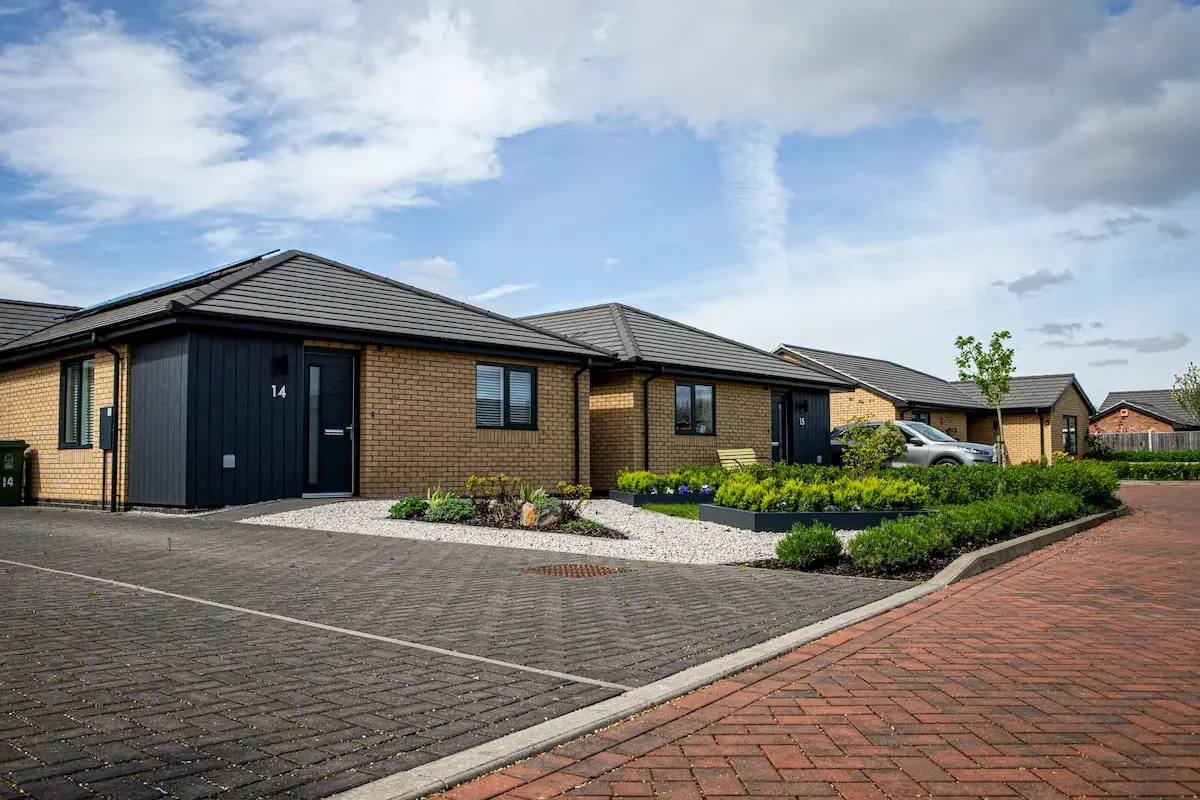
At The Beaufields, around 60 homes use ground-source heat pumps, while another 30 have air-to-air heat pump systems. We originally chose the air-to-air systems as a clean alternative to traditional gas boilers and radiators.
What we're now discovering is that technology we installed to solve one problem is helping solve another. The same air-to-air heat pump system that heats the home in winter can cool it in summer, and when you need the cooling most, the solar panels are producing electricity to help power it. This feels like a pretty compelling model for the homes we need to be building in the UK.
Rather than homeowners having to buy separate air-conditioning units that consume massive amounts of power, these air-to-air systems distribute cool air throughout the house to keep internal temperatures comfortable during the peak heat. And because hot summer days coincide with maximum solar generation, the rooftop PV panels will power much of the cooling, significantly decreasing the cost associated with keeping the temperature of your home comfortable.
25 years of learning from real homes
At Gusto Homes, we have been building low-energy housing for over 25 years. One of the most valuable resources available to us as developers is the experience of people actually living in our properties. Completion isn't the end of the process; we spend time doing post-occupancy evaluations and catching up with homeowners to measure how technologies actually perform once people move in.
For example, our experience with air-based systems has shown us that homes can take slightly longer to warm up from cold compared to those using large conventional radiators. Residents achieve the best results by maintaining a constant temperature rather than repeatedly allowing the property to become cold and reheating it. But the ability of the same system to provide cooling during periods of extreme summer heat has become an increasingly valuable advantage.
From individual eco-homes to sustainable communities
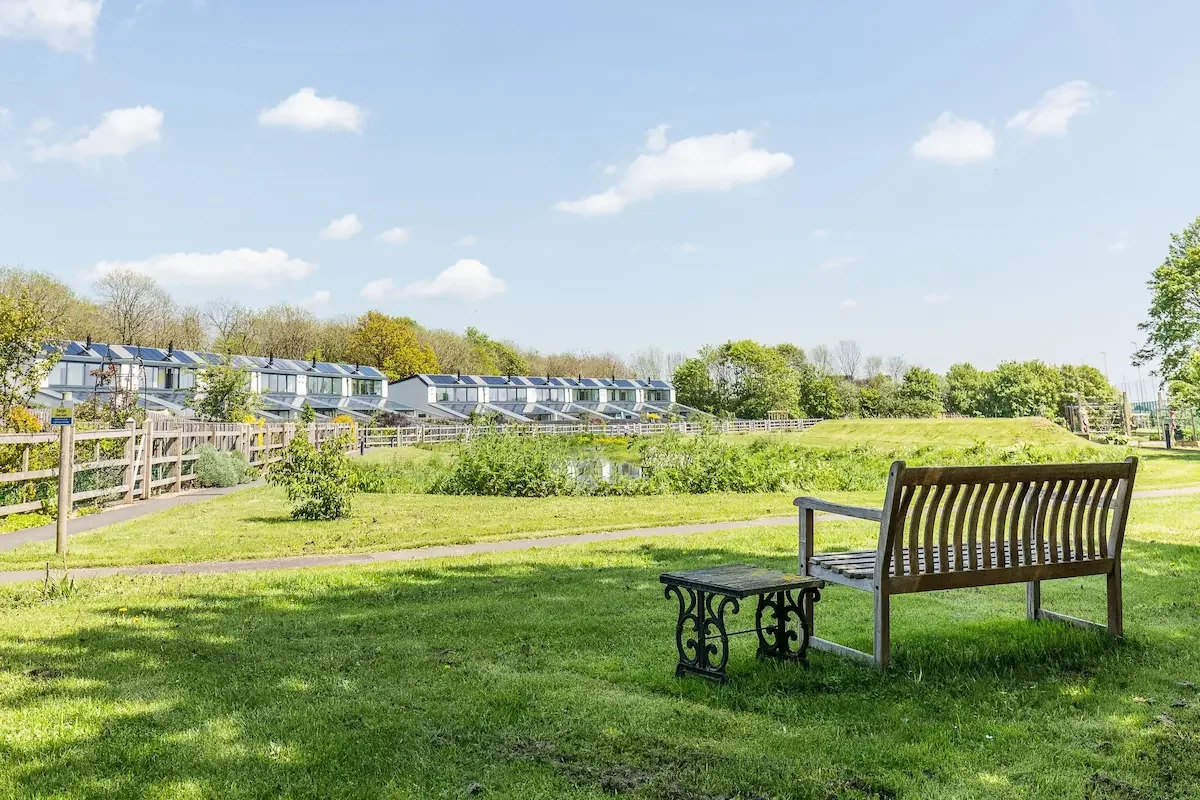
Designing for the future goes beyond just heating and cooling. At our Woodlands Edge development in Lincolnshire, where I live myself, we combined high energy efficiency with rainwater harvesting, shared green space, allotments, and infrastructure for electric vehicles, which are an increasingly common part of everyday life.
Sustainability works best when it actually makes people's lives better. Lower energy bills, comfortable homes, renewable electricity, green spaces, growing food and communities where people know and support each other aren't sacrifices. They're improvements.
Explore our current developments
If you'd like to see how we're putting these design principles into practice, you can explore our current developments, including Easthorpe Green in Bottesford and The Old School Yard in Collingham.
Alternatively, feel free to get in touch with our team to find out more.